Category: others

  • Ehemaliger Kaiserslautern-Kapitän macht eine beeindruckende Geste

    Ehemaliger Kaiserslautern-Kapitän macht eine beeindruckende Geste

    Der ehemalige Kapitän hat dem Verein eine bemerkenswerte Geste erwiesen, indem er einen Bus im Wert von rund 2 Millionen Euro spendete. Der großzügige Beitrag wurde als Zeichen der Dankbarkeit für die Unterstützung und das Wohlwollen präsentiert, die der Verein ihm zuvor entgegengebracht hatte.

    Die Spende hat aufgrund ihres erheblichen Wertes und ihrer persönlichen Bedeutung Aufmerksamkeit erregt. Es handelt sich nicht einfach um einen finanziellen Beitrag, sondern die Geste scheint vielmehr die enge Beziehung widerzuspiegeln, die sich während seiner Zeit beim 1. FC Kaiserslautern zwischen dem ehemaligen Kapitän und dem Verein entwickelt hat.

    Für den ehemaligen Spielführer soll die Entscheidung, etwas zurückzugeben, von der positiven Behandlung und dem Wohlwollen beeinflusst worden sein, die er während seiner Zeit beim Verein erfahren hatte. Seine Geste zeigt, wie sehr Unterstützung einen bleibenden Eindruck hinterlassen kann – selbst nachdem ein Spieler seine aktive Karriere beendet oder den Verein verlassen hat.

    Der Bus im Wert von 2 Millionen Euro soll dem Verein einen praktischen Nutzen bieten und gleichzeitig als Erinnerung an die Verbindung des ehemaligen Kapitäns mit Kaiserslautern dienen. Eine derart wertvolle Spende ist im Fußball ungewöhnlich und hat verständlicherweise das Interesse der Fans sowie derjenigen geweckt, die den Verein verfolgen.

    Die Nachricht hat auch die Aufmerksamkeit der Vereinsführung auf sich gezogen. Der Vorsitzende soll andere Spieler dazu ermutigt haben, sich am Beispiel des ehemaligen Kapitäns zu orientieren und nach Möglichkeiten zu suchen, dem Verein etwas zurückzugeben, wenn sich eine entsprechende Gelegenheit bietet.

    Nach Angaben der Vereinsführung unterstreicht die Geste die Bedeutung von Dankbarkeit und einer positiven Beziehung zwischen Spielern und dem Verein, den sie vertreten. Zwar wird nicht jeder Spieler in der Lage sein, eine Spende in derselben Größenordnung zu leisten, doch die grundlegende Botschaft lautet, dass Dankbarkeit auf unterschiedliche Weise zum Ausdruck gebracht werden kann.

    Der Beitrag des ehemaligen Kapitäns fügt seiner Beziehung zu Kaiserslautern ein weiteres Kapitel hinzu. Fußballkarrieren gehen irgendwann zu Ende, doch bedeutungsvolle Verbindungen zwischen Spielern, Vereinen und Fans können noch lange bestehen bleiben, nachdem ein Spieler den Platz verlassen hat.

    Für die Anhänger des 1. FC Kaiserslautern wird die Spende wahrscheinlich als außergewöhnliches Beispiel für Dankbarkeit in Erinnerung bleiben. Sie zeigt, dass die Verbindung zwischen einem Spieler und einem Verein über Verträge, Spiele und Trophäen hinausgehen kann.

    Der Aufruf des Vereins an andere Spieler, diesem Beispiel zu folgen, geht daher weniger darum, den Wert von 2 Millionen Euro zu erreichen, sondern vielmehr darum, eine Kultur der Wertschätzung zu fördern. Die Vereinsführung scheint die Geste des ehemaligen Kapitäns als Beispiel dafür zu nutzen, wie Spieler einen positiven Beitrag zur Zukunft des Vereins leisten können.

    Letztlich hat die Spende aus einer einfachen Geste der Dankbarkeit eine Geschichte gemacht, die große Aufmerksamkeit erregt hat. Die Entscheidung des ehemaligen Kaiserslautern-Kapitäns, dem Verein etwas von beträchtlichem Wert zurückzugeben, zeigt, wie Dankbarkeit noch lange nach dem Ende der aktiven Laufbahn eines Spielers zu bedeutungsvollen Gesten inspirieren kann.

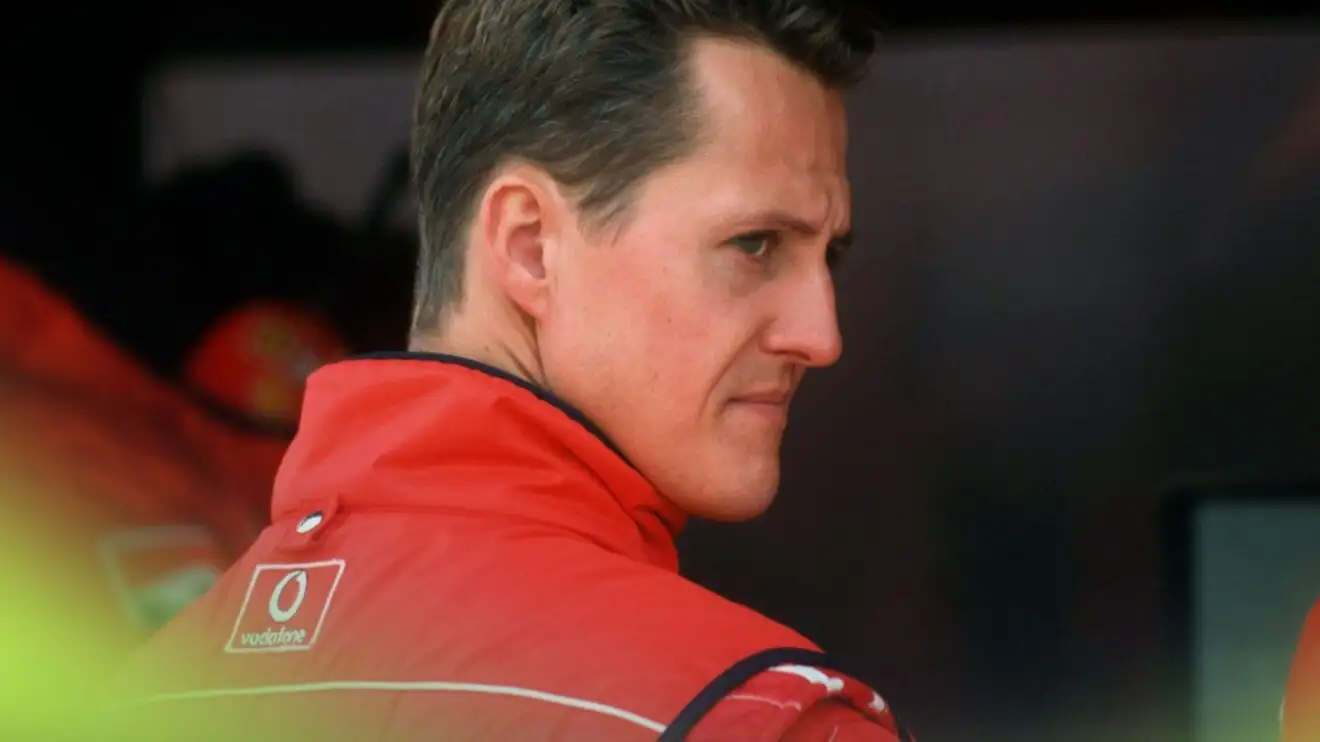
     

  • Ehemaliger Kaiserslautern-Kapitän macht eine beeindruckende Geste

    Ehemaliger Kaiserslautern-Kapitän macht eine beeindruckende Geste

    Der ehemalige Kapitän hat dem Verein eine bemerkenswerte Geste erwiesen, indem er einen Bus im Wert von rund 2 Millionen Euro spendete. Der großzügige Beitrag wurde als Zeichen der Dankbarkeit für die Unterstützung und das Wohlwollen präsentiert, die der Verein ihm zuvor entgegengebracht hatte.

    Die Spende hat aufgrund ihres erheblichen Wertes und ihrer persönlichen Bedeutung Aufmerksamkeit erregt. Es handelt sich nicht einfach um einen finanziellen Beitrag, sondern die Geste scheint vielmehr die enge Beziehung widerzuspiegeln, die sich während seiner Zeit beim 1. FC Kaiserslautern zwischen dem ehemaligen Kapitän und dem Verein entwickelt hat.

    Für den ehemaligen Spielführer soll die Entscheidung, etwas zurückzugeben, von der positiven Behandlung und dem Wohlwollen beeinflusst worden sein, die er während seiner Zeit beim Verein erfahren hatte. Seine Geste zeigt, wie sehr Unterstützung einen bleibenden Eindruck hinterlassen kann – selbst nachdem ein Spieler seine aktive Karriere beendet oder den Verein verlassen hat.

    Der Bus im Wert von 2 Millionen Euro soll dem Verein einen praktischen Nutzen bieten und gleichzeitig als Erinnerung an die Verbindung des ehemaligen Kapitäns mit Kaiserslautern dienen. Eine derart wertvolle Spende ist im Fußball ungewöhnlich und hat verständlicherweise das Interesse der Fans sowie derjenigen geweckt, die den Verein verfolgen.

    Die Nachricht hat auch die Aufmerksamkeit der Vereinsführung auf sich gezogen. Der Vorsitzende soll andere Spieler dazu ermutigt haben, sich am Beispiel des ehemaligen Kapitäns zu orientieren und nach Möglichkeiten zu suchen, dem Verein etwas zurückzugeben, wenn sich eine entsprechende Gelegenheit bietet.

    Nach Angaben der Vereinsführung unterstreicht die Geste die Bedeutung von Dankbarkeit und einer positiven Beziehung zwischen Spielern und dem Verein, den sie vertreten. Zwar wird nicht jeder Spieler in der Lage sein, eine Spende in derselben Größenordnung zu leisten, doch die grundlegende Botschaft lautet, dass Dankbarkeit auf unterschiedliche Weise zum Ausdruck gebracht werden kann.

    Der Beitrag des ehemaligen Kapitäns fügt seiner Beziehung zu Kaiserslautern ein weiteres Kapitel hinzu. Fußballkarrieren gehen irgendwann zu Ende, doch bedeutungsvolle Verbindungen zwischen Spielern, Vereinen und Fans können noch lange bestehen bleiben, nachdem ein Spieler den Platz verlassen hat.

    Für die Anhänger des 1. FC Kaiserslautern wird die Spende wahrscheinlich als außergewöhnliches Beispiel für Dankbarkeit in Erinnerung bleiben. Sie zeigt, dass die Verbindung zwischen einem Spieler und einem Verein über Verträge, Spiele und Trophäen hinausgehen kann.

    Der Aufruf des Vereins an andere Spieler, diesem Beispiel zu folgen, geht daher weniger darum, den Wert von 2 Millionen Euro zu erreichen, sondern vielmehr darum, eine Kultur der Wertschätzung zu fördern. Die Vereinsführung scheint die Geste des ehemaligen Kapitäns als Beispiel dafür zu nutzen, wie Spieler einen positiven Beitrag zur Zukunft des Vereins leisten können.

    Letztlich hat die Spende aus einer einfachen Geste der Dankbarkeit eine Geschichte gemacht, die große Aufmerksamkeit erregt hat. Die Entscheidung des ehemaligen Kaiserslautern-Kapitäns, dem Verein etwas von beträchtlichem Wert zurückzugeben, zeigt, wie Dankbarkeit noch lange nach dem Ende der aktiven Laufbahn eines Spielers zu bedeutungsvollen Gesten inspirieren kann.


  • Michael Schumacher or Lewis Hamilton Who Is Truly the Better F1 Driver………See Statistics

    Michael Schumacher or Lewis Hamilton Who Is Truly the Better F1 Driver………See Statistics


    The debate over Formula 1’s greatest driver has never had a simple answer. Michael Schumacher and Lewis Hamilton both reached the remarkable milestone of seven World Championships, but their achievements came in very different eras of the sport. That difference continues to fuel one of F1’s biggest arguments among fans.

    Michael Schumacher became one of the defining figures of modern Formula 1, particularly during his dominant years with Ferrari. His extraordinary consistency, impressive qualifying performances, intelligent race management and relentless determination helped him establish a level of dominance that was rarely seen before. Schumacher was not simply quick; he possessed the ability to extract results from difficult situations and maintain an intense competitive edge throughout a season.

    Lewis Hamilton, on the other hand, built his own remarkable legacy over a much longer period. From his breakthrough with McLaren to his highly successful partnership with Mercedes, Hamilton repeatedly demonstrated speed, adaptability and consistency. Along the way, he surpassed numerous long-standing records and eventually equalled Schumacher’s record of seven drivers’ championships, cementing his place among the sport’s most accomplished competitors.

    However, deciding which driver is better is far more complicated than comparing championship totals. Schumacher and Hamilton competed under different technical regulations, drove cars with different characteristics, used different generations of tyres and faced changing levels of competition. Even the way races were managed and the strategies teams employed evolved significantly between their respective eras.

    Supporters of Schumacher often point to the sheer intensity of his dominance, particularly during his Ferrari years. His ability to deliver consistently under enormous pressure, combined with his fierce competitive personality, made him an exceptionally difficult opponent. For many fans, the way Schumacher transformed Ferrari into a dominant force is one of the strongest arguments for placing him ahead of Hamilton.

    Hamilton’s supporters have an equally compelling case. His career has stretched across multiple generations of Formula 1 machinery and regulations, allowing him to remain competitive as the sport changed around him. His enormous number of victories, pole positions and podium finishes, together with his seven championships, demonstrate an extraordinary level of sustained performance.

    Another factor that makes the comparison so difficult is the importance of the machinery available to each driver. Formula 1 has always been heavily influenced by car performance, meaning that even the most talented drivers need competitive equipment to fight consistently for victories and championships. Determining exactly how much of Schumacher’s and Hamilton’s success came from their own ability, and how much came from their teams and cars, is almost impossible.

    There is also a difference in how their careers unfolded. Schumacher became synonymous with Ferrari’s resurgence and enjoyed a period of dominance that reshaped the competitive landscape of the sport. Hamilton, meanwhile, managed to remain at the top through major changes in teams, regulations and generations of competitors. Both achievements require exceptional talent, but they demonstrate different forms of greatness.

    Ultimately, there may never be a definitive answer to the Schumacher versus Hamilton question. Statistics can provide part of the picture, while championship records, victories and qualifying performances offer useful comparisons. Yet qualities such as adaptability, racecraft, mental strength, consistency and the ability to perform under pressure are much harder to measure.

    That is what makes the debate so fascinating. Schumacher and Hamilton have both left an extraordinary mark on Formula 1, and each has a legitimate claim to being considered the greatest driver of his generation. Whether one stands above the other may depend less on the numbers and more on which qualities a fan believes matter most when judging an all-time great.


  • Michael Schumacher or Lewis Hamilton Who Is Truly the Better F1 Driver………See Statistics

    Michael Schumacher or Lewis Hamilton Who Is Truly the Better F1 Driver………See Statistics


    The debate over Formula 1’s greatest driver has never had a simple answer. Michael Schumacher and Lewis Hamilton both reached the remarkable milestone of seven World Championships, but their achievements came in very different eras of the sport. That difference continues to fuel one of F1’s biggest arguments among fans.

    Michael Schumacher became one of the defining figures of modern Formula 1, particularly during his dominant years with Ferrari. His extraordinary consistency, impressive qualifying performances, intelligent race management and relentless determination helped him establish a level of dominance that was rarely seen before. Schumacher was not simply quick; he possessed the ability to extract results from difficult situations and maintain an intense competitive edge throughout a season.

    Lewis Hamilton, on the other hand, built his own remarkable legacy over a much longer period. From his breakthrough with McLaren to his highly successful partnership with Mercedes, Hamilton repeatedly demonstrated speed, adaptability and consistency. Along the way, he surpassed numerous long-standing records and eventually equalled Schumacher’s record of seven drivers’ championships, cementing his place among the sport’s most accomplished competitors.

    However, deciding which driver is better is far more complicated than comparing championship totals. Schumacher and Hamilton competed under different technical regulations, drove cars with different characteristics, used different generations of tyres and faced changing levels of competition. Even the way races were managed and the strategies teams employed evolved significantly between their respective eras.

    Supporters of Schumacher often point to the sheer intensity of his dominance, particularly during his Ferrari years. His ability to deliver consistently under enormous pressure, combined with his fierce competitive personality, made him an exceptionally difficult opponent. For many fans, the way Schumacher transformed Ferrari into a dominant force is one of the strongest arguments for placing him ahead of Hamilton.

    Hamilton’s supporters have an equally compelling case. His career has stretched across multiple generations of Formula 1 machinery and regulations, allowing him to remain competitive as the sport changed around him. His enormous number of victories, pole positions and podium finishes, together with his seven championships, demonstrate an extraordinary level of sustained performance.

    Another factor that makes the comparison so difficult is the importance of the machinery available to each driver. Formula 1 has always been heavily influenced by car performance, meaning that even the most talented drivers need competitive equipment to fight consistently for victories and championships. Determining exactly how much of Schumacher’s and Hamilton’s success came from their own ability, and how much came from their teams and cars, is almost impossible.

    There is also a difference in how their careers unfolded. Schumacher became synonymous with Ferrari’s resurgence and enjoyed a period of dominance that reshaped the competitive landscape of the sport. Hamilton, meanwhile, managed to remain at the top through major changes in teams, regulations and generations of competitors. Both achievements require exceptional talent, but they demonstrate different forms of greatness.

    Ultimately, there may never be a definitive answer to the Schumacher versus Hamilton question. Statistics can provide part of the picture, while championship records, victories and qualifying performances offer useful comparisons. Yet qualities such as adaptability, racecraft, mental strength, consistency and the ability to perform under pressure are much harder to measure.

    That is what makes the debate so fascinating. Schumacher and Hamilton have both left an extraordinary mark on Formula 1, and each has a legitimate claim to being considered the greatest driver of his generation. Whether one stands above the other may depend less on the numbers and more on which qualities a fan believes matter most when judging an all-time great.


  • Michael Schumacher or Lewis Hamilton Who Is Truly the Better F1 Driver………See Statistics

    Michael Schumacher or Lewis Hamilton Who Is Truly the Better F1 Driver………See Statistics


    The debate over Formula 1’s greatest driver has never had a simple answer. Michael Schumacher and Lewis Hamilton both reached the remarkable milestone of seven World Championships, but their achievements came in very different eras of the sport. That difference continues to fuel one of F1’s biggest arguments among fans.

    Michael Schumacher became one of the defining figures of modern Formula 1, particularly during his dominant years with Ferrari. His extraordinary consistency, impressive qualifying performances, intelligent race management and relentless determination helped him establish a level of dominance that was rarely seen before. Schumacher was not simply quick; he possessed the ability to extract results from difficult situations and maintain an intense competitive edge throughout a season.

    Lewis Hamilton, on the other hand, built his own remarkable legacy over a much longer period. From his breakthrough with McLaren to his highly successful partnership with Mercedes, Hamilton repeatedly demonstrated speed, adaptability and consistency. Along the way, he surpassed numerous long-standing records and eventually equalled Schumacher’s record of seven drivers’ championships, cementing his place among the sport’s most accomplished competitors.

    However, deciding which driver is better is far more complicated than comparing championship totals. Schumacher and Hamilton competed under different technical regulations, drove cars with different characteristics, used different generations of tyres and faced changing levels of competition. Even the way races were managed and the strategies teams employed evolved significantly between their respective eras.

    Supporters of Schumacher often point to the sheer intensity of his dominance, particularly during his Ferrari years. His ability to deliver consistently under enormous pressure, combined with his fierce competitive personality, made him an exceptionally difficult opponent. For many fans, the way Schumacher transformed Ferrari into a dominant force is one of the strongest arguments for placing him ahead of Hamilton.

    Hamilton’s supporters have an equally compelling case. His career has stretched across multiple generations of Formula 1 machinery and regulations, allowing him to remain competitive as the sport changed around him. His enormous number of victories, pole positions and podium finishes, together with his seven championships, demonstrate an extraordinary level of sustained performance.

    Another factor that makes the comparison so difficult is the importance of the machinery available to each driver. Formula 1 has always been heavily influenced by car performance, meaning that even the most talented drivers need competitive equipment to fight consistently for victories and championships. Determining exactly how much of Schumacher’s and Hamilton’s success came from their own ability, and how much came from their teams and cars, is almost impossible.

    There is also a difference in how their careers unfolded. Schumacher became synonymous with Ferrari’s resurgence and enjoyed a period of dominance that reshaped the competitive landscape of the sport. Hamilton, meanwhile, managed to remain at the top through major changes in teams, regulations and generations of competitors. Both achievements require exceptional talent, but they demonstrate different forms of greatness.

    Ultimately, there may never be a definitive answer to the Schumacher versus Hamilton question. Statistics can provide part of the picture, while championship records, victories and qualifying performances offer useful comparisons. Yet qualities such as adaptability, racecraft, mental strength, consistency and the ability to perform under pressure are much harder to measure.

    That is what makes the debate so fascinating. Schumacher and Hamilton have both left an extraordinary mark on Formula 1, and each has a legitimate claim to being considered the greatest driver of his generation. Whether one stands above the other may depend less on the numbers and more on which qualities a fan believes matter most when judging an all-time great.


  • Michael Schumacher Race-Worn Suits Headline Special Monza Auction…………..See Details

    Michael Schumacher Race-Worn Suits Headline Special Monza Auction…………..See Details


    Fans of {“fallbackMarkdown”:”Michael Schumacher”,”reference”:{“alt”:”Michael Schumacher”,”category”:”athlete”,”extra_params”:{“disambiguation”:”seven-time Formula 1 world champion”},”name”:”Michael Schumacher”,”prompt_text”:”Michael Schumacher”,”status”:”done”,”type”:”entity”},”referenceKey”:”0″,”showLoginRequiredCard”:false} will have a rare opportunity to own pieces of the German driver’s remarkable Formula 1 career, with three of his race-worn suits set to go under the hammer during the Italian Grand Prix weekend. Auction house Bonhams has announced that the memorabilia will form part of a special event at Monza, giving collectors the chance to acquire items directly connected to one of the sport’s most celebrated champions.

    The three suits were worn by Schumacher during some of his years in Formula 1. They come from the 2000 German Grand Prix, the 1997 Australian Grand Prix and the 1998 San Marino Grand Prix. Each item offers a tangible link to a different stage of Schumacher’s career and his rise to becoming one of the most successful drivers in Formula 1 history.

    The auction comes at a particularly significant time for Schumacher and Ferrari, as 2026 marks three decades since the beginning of his association with the Italian team. Schumacher joined Ferrari in 1996 after leaving Benetton and ultimately transformed the fortunes of the Scuderia, helping establish an era of dominance that produced five consecutive drivers’ championships between 2000 and 2004.

    His partnership with Ferrari remains one of the defining chapters of modern Formula 1. Although his first seasons with the team did not immediately deliver a championship, Schumacher and Ferrari gradually developed into an almost unbeatable combination. By the turn of the century, the German was at the centre of a Ferrari resurgence that would produce an unprecedented run of success.

    With Ferrari preparing its own tribute to Schumacher at the Italian Grand Prix, including a special livery in his honour, Bonhams is also using the occasion to celebrate his enduring influence on the sport. The auction is being organised in collaboration with The Driver Lounge and will form part of the Schumacher Lounge activities at Monza.

    Rich Soddy, founder of The Driver Lounge, described the collection as a special opportunity to bring together important pieces from Schumacher’s career alongside memorabilia connected to Formula 1’s present generation. He highlighted the 2000 German Grand Prix suit in particular, while noting that additional Schumacher items and contributions from current teams and drivers would also feature in the event.

    The auction is scheduled to close on September 10, giving collectors a limited window in which to bid for the memorabilia. The timing is especially notable because the items will be offered during a weekend dedicated to remembering Schumacher’s achievements and his long-standing connection with Ferrari and the Italian Grand Prix.

    Sabine Kehm, Schumacher’s longtime manager and managing director of the Keep Fighting Foundation, also welcomed the tribute. She pointed to Monza as a fitting location for celebrating Schumacher’s legacy, given the many memorable moments he experienced there with Ferrari. She also noted the significance of marking the anniversary of one of Schumacher’s victories at the circuit.

    The auction will extend beyond Schumacher’s own race suits. Among the other items is a set of spare overalls prepared for Sebastian Vettel’s Schumacher tribute demonstration at Monza. The overalls are due to be signed and feature Vettel’s message, “There is still a race to win,” together with a dedication to Schumacher. The collection will also include a replica of Lewis Hamilton’s 2026 Formula 1 helmet, a pair of unused Charles Leclerc overalls donated personally by the Ferrari driver, and Rubens Barrichello’s race-worn overalls from the 2002 Australian Grand Prix.

    Taken together, the collection offers a snapshot of Formula 1 history spanning several generations. While Schumacher’s suits provide a direct connection to the seven-time champion’s racing career, the contributions from Vettel, Hamilton, Leclerc and Barrichello demonstrate the respect he continues to command across the sport. The Monza auction therefore represents more than an opportunity to purchase racing memorabilia; it is also a celebration of Schumacher’s lasting place in Formula 1 history.

    I can also adapt this into a more news-style, highly SEO-focused version with a stronger opening hook and shorter paragraphs for online readers.

  • Michael Schumacher Race-Worn Suits Headline Special Monza Auction…………..See Details

    Michael Schumacher Race-Worn Suits Headline Special Monza Auction…………..See Details


    Fans of {“fallbackMarkdown”:”Michael Schumacher”,”reference”:{“alt”:”Michael Schumacher”,”category”:”athlete”,”extra_params”:{“disambiguation”:”seven-time Formula 1 world champion”},”name”:”Michael Schumacher”,”prompt_text”:”Michael Schumacher”,”status”:”done”,”type”:”entity”},”referenceKey”:”0″,”showLoginRequiredCard”:false} will have a rare opportunity to own pieces of the German driver’s remarkable Formula 1 career, with three of his race-worn suits set to go under the hammer during the Italian Grand Prix weekend. Auction house Bonhams has announced that the memorabilia will form part of a special event at Monza, giving collectors the chance to acquire items directly connected to one of the sport’s most celebrated champions.

    The three suits were worn by Schumacher during some of his years in Formula 1. They come from the 2000 German Grand Prix, the 1997 Australian Grand Prix and the 1998 San Marino Grand Prix. Each item offers a tangible link to a different stage of Schumacher’s career and his rise to becoming one of the most successful drivers in Formula 1 history.

    The auction comes at a particularly significant time for Schumacher and Ferrari, as 2026 marks three decades since the beginning of his association with the Italian team. Schumacher joined Ferrari in 1996 after leaving Benetton and ultimately transformed the fortunes of the Scuderia, helping establish an era of dominance that produced five consecutive drivers’ championships between 2000 and 2004.

    His partnership with Ferrari remains one of the defining chapters of modern Formula 1. Although his first seasons with the team did not immediately deliver a championship, Schumacher and Ferrari gradually developed into an almost unbeatable combination. By the turn of the century, the German was at the centre of a Ferrari resurgence that would produce an unprecedented run of success.

    With Ferrari preparing its own tribute to Schumacher at the Italian Grand Prix, including a special livery in his honour, Bonhams is also using the occasion to celebrate his enduring influence on the sport. The auction is being organised in collaboration with The Driver Lounge and will form part of the Schumacher Lounge activities at Monza.

    Rich Soddy, founder of The Driver Lounge, described the collection as a special opportunity to bring together important pieces from Schumacher’s career alongside memorabilia connected to Formula 1’s present generation. He highlighted the 2000 German Grand Prix suit in particular, while noting that additional Schumacher items and contributions from current teams and drivers would also feature in the event.

    The auction is scheduled to close on September 10, giving collectors a limited window in which to bid for the memorabilia. The timing is especially notable because the items will be offered during a weekend dedicated to remembering Schumacher’s achievements and his long-standing connection with Ferrari and the Italian Grand Prix.

    Sabine Kehm, Schumacher’s longtime manager and managing director of the Keep Fighting Foundation, also welcomed the tribute. She pointed to Monza as a fitting location for celebrating Schumacher’s legacy, given the many memorable moments he experienced there with Ferrari. She also noted the significance of marking the anniversary of one of Schumacher’s victories at the circuit.

    The auction will extend beyond Schumacher’s own race suits. Among the other items is a set of spare overalls prepared for Sebastian Vettel’s Schumacher tribute demonstration at Monza. The overalls are due to be signed and feature Vettel’s message, “There is still a race to win,” together with a dedication to Schumacher. The collection will also include a replica of Lewis Hamilton’s 2026 Formula 1 helmet, a pair of unused Charles Leclerc overalls donated personally by the Ferrari driver, and Rubens Barrichello’s race-worn overalls from the 2002 Australian Grand Prix.

    Taken together, the collection offers a snapshot of Formula 1 history spanning several generations. While Schumacher’s suits provide a direct connection to the seven-time champion’s racing career, the contributions from Vettel, Hamilton, Leclerc and Barrichello demonstrate the respect he continues to command across the sport. The Monza auction therefore represents more than an opportunity to purchase racing memorabilia; it is also a celebration of Schumacher’s lasting place in Formula 1 history.

    I can also adapt this into a more news-style, highly SEO-focused version with a stronger opening hook and shorter paragraphs for online readers.

  • Michael Schumacher Race-Worn Suits Headline Special Monza Auction…………..See Details

    Michael Schumacher Race-Worn Suits Headline Special Monza Auction…………..See Details


    Fans of {“fallbackMarkdown”:”Michael Schumacher”,”reference”:{“alt”:”Michael Schumacher”,”category”:”athlete”,”extra_params”:{“disambiguation”:”seven-time Formula 1 world champion”},”name”:”Michael Schumacher”,”prompt_text”:”Michael Schumacher”,”status”:”done”,”type”:”entity”},”referenceKey”:”0″,”showLoginRequiredCard”:false} will have a rare opportunity to own pieces of the German driver’s remarkable Formula 1 career, with three of his race-worn suits set to go under the hammer during the Italian Grand Prix weekend. Auction house Bonhams has announced that the memorabilia will form part of a special event at Monza, giving collectors the chance to acquire items directly connected to one of the sport’s most celebrated champions.

    The three suits were worn by Schumacher during some of his years in Formula 1. They come from the 2000 German Grand Prix, the 1997 Australian Grand Prix and the 1998 San Marino Grand Prix. Each item offers a tangible link to a different stage of Schumacher’s career and his rise to becoming one of the most successful drivers in Formula 1 history.

    The auction comes at a particularly significant time for Schumacher and Ferrari, as 2026 marks three decades since the beginning of his association with the Italian team. Schumacher joined Ferrari in 1996 after leaving Benetton and ultimately transformed the fortunes of the Scuderia, helping establish an era of dominance that produced five consecutive drivers’ championships between 2000 and 2004.

    His partnership with Ferrari remains one of the defining chapters of modern Formula 1. Although his first seasons with the team did not immediately deliver a championship, Schumacher and Ferrari gradually developed into an almost unbeatable combination. By the turn of the century, the German was at the centre of a Ferrari resurgence that would produce an unprecedented run of success.

    With Ferrari preparing its own tribute to Schumacher at the Italian Grand Prix, including a special livery in his honour, Bonhams is also using the occasion to celebrate his enduring influence on the sport. The auction is being organised in collaboration with The Driver Lounge and will form part of the Schumacher Lounge activities at Monza.

    Rich Soddy, founder of The Driver Lounge, described the collection as a special opportunity to bring together important pieces from Schumacher’s career alongside memorabilia connected to Formula 1’s present generation. He highlighted the 2000 German Grand Prix suit in particular, while noting that additional Schumacher items and contributions from current teams and drivers would also feature in the event.

    The auction is scheduled to close on September 10, giving collectors a limited window in which to bid for the memorabilia. The timing is especially notable because the items will be offered during a weekend dedicated to remembering Schumacher’s achievements and his long-standing connection with Ferrari and the Italian Grand Prix.

    Sabine Kehm, Schumacher’s longtime manager and managing director of the Keep Fighting Foundation, also welcomed the tribute. She pointed to Monza as a fitting location for celebrating Schumacher’s legacy, given the many memorable moments he experienced there with Ferrari. She also noted the significance of marking the anniversary of one of Schumacher’s victories at the circuit.

    The auction will extend beyond Schumacher’s own race suits. Among the other items is a set of spare overalls prepared for Sebastian Vettel’s Schumacher tribute demonstration at Monza. The overalls are due to be signed and feature Vettel’s message, “There is still a race to win,” together with a dedication to Schumacher. The collection will also include a replica of Lewis Hamilton’s 2026 Formula 1 helmet, a pair of unused Charles Leclerc overalls donated personally by the Ferrari driver, and Rubens Barrichello’s race-worn overalls from the 2002 Australian Grand Prix.

    Taken together, the collection offers a snapshot of Formula 1 history spanning several generations. While Schumacher’s suits provide a direct connection to the seven-time champion’s racing career, the contributions from Vettel, Hamilton, Leclerc and Barrichello demonstrate the respect he continues to command across the sport. The Monza auction therefore represents more than an opportunity to purchase racing memorabilia; it is also a celebration of Schumacher’s lasting place in Formula 1 history.

    I can also adapt this into a more news-style, highly SEO-focused version with a stronger opening hook and shorter paragraphs for online readers.

  • Ehemaliger Spieler von Hertha BSC: Ibrahim Maza……..schläft ein

    Ehemaliger Spieler von Hertha BSC: Ibrahim Maza……..schläft ein

    Ibrahim Maza, dessen Name auf Arabisch إبراهيم مازة geschrieben und als Ibrāhīm Māza romanisiert wird, ist ein vielversprechender Profifußballer, der durch sein Können und seine Kreativität auf dem Platz zunehmend Aufmerksamkeit auf sich zieht. Der am 24. November 2005 geborene junge Mittelfeldspieler hat sich trotz seines relativ jungen Alters bereits im Profifußball etabliert.
    Maza spielt hauptsächlich als offensiver Mittelfeldspieler – eine Position, die es ihm ermöglicht, Spiele durch seine technische Begabung, seine Laufbereitschaft und seinen Offensivdrang zu beeinflussen. Seine Rolle bringt ihn oft in Bereiche, in denen er das Mittelfeld mit der Angriffslinie verbinden und zum Offensivspiel seiner Mannschaft beitragen kann.
    Auf Vereinsebene tritt Maza für den deutschen Bundesligisten Bayer Leverkusen an. In einer der wettbewerbsintensivsten nationalen Ligen Europas zu spielen, bietet dem Nachwuchstalent eine wichtige Plattform, um sein Spiel weiterzuentwickeln und Erfahrungen gegen einige der stärksten Teams des Kontinents zu sammeln.
    Obwohl er in Deutschland geboren wurde, hat sich Maza entschieden, auf internationaler Ebene für Algerien aufzulaufen. Seine Entscheidung verleiht seiner Fußballkarriere eine weitere interessante Dimension, da er Teil einer neuen Generation von Spielern ist, die das Potenzial haben, die algerische Nationalmannschaft prägend mitzugestalten.
    Mazas Hintergrund unterstreicht zudem den zunehmend internationalen Charakter des modernen Fußballs. Da er in Deutschland geboren und als Spieler ausgebildet wurde, gleichzeitig aber Algerien vertritt, verbindet er die Erfahrungen aus seiner Erziehung mit seiner internationalen Fußballidentität.
    Mit gerade einmal 20 Jahren steht Maza noch am Anfang seiner Profikarriere, was reichlich Raum für weitere Entwicklung lässt. Seine fortlaufende Entwicklung bei Bayer Leverkusen und sein Engagement für Algerien könnten eine wichtige Rolle dabei spielen, seinen weiteren Weg als offensiver Mittelfeldspieler zu ebnen.
    Mit seiner Kombination aus Jugend, offensiver Verantwortung und Erfahrung im deutschen Fußball ist Maza ein Spieler, dessen Fortschritte es wert sind, aufmerksam verfolgt zu werden. Mit zunehmender Spielpraxis auf Vereins- und Länderspielebene dürften auch die Erwartungen an seine Zukunft steigen.
    Für algerische Fußballfans bietet sein Aufstieg einen weiteren Grund zur Hoffnung bzgl. der nächsten Generation der Nationalmannschaft. Maza hat die Chance, sich als wichtige Figur für Algerien zu etablieren und gleichzeitig seinen Ruf im europäischen Fußball weiter auszubauen.
  • Ehemaliger Spieler von Hertha BSC: Ibrahim Maza……..schläft ein

    Ehemaliger Spieler von Hertha BSC: Ibrahim Maza……..schläft ein

    Ibrahim Maza, dessen Name auf Arabisch إبراهيم مازة geschrieben und als Ibrāhīm Māza romanisiert wird, ist ein vielversprechender Profifußballer, der durch sein Können und seine Kreativität auf dem Platz zunehmend Aufmerksamkeit auf sich zieht. Der am 24. November 2005 geborene junge Mittelfeldspieler hat sich trotz seines relativ jungen Alters bereits im Profifußball etabliert.
    Maza spielt hauptsächlich als offensiver Mittelfeldspieler – eine Position, die es ihm ermöglicht, Spiele durch seine technische Begabung, seine Laufbereitschaft und seinen Offensivdrang zu beeinflussen. Seine Rolle bringt ihn oft in Bereiche, in denen er das Mittelfeld mit der Angriffslinie verbinden und zum Offensivspiel seiner Mannschaft beitragen kann.
    Auf Vereinsebene tritt Maza für den deutschen Bundesligisten Bayer Leverkusen an. In einer der wettbewerbsintensivsten nationalen Ligen Europas zu spielen, bietet dem Nachwuchstalent eine wichtige Plattform, um sein Spiel weiterzuentwickeln und Erfahrungen gegen einige der stärksten Teams des Kontinents zu sammeln.
    Obwohl er in Deutschland geboren wurde, hat sich Maza entschieden, auf internationaler Ebene für Algerien aufzulaufen. Seine Entscheidung verleiht seiner Fußballkarriere eine weitere interessante Dimension, da er Teil einer neuen Generation von Spielern ist, die das Potenzial haben, die algerische Nationalmannschaft prägend mitzugestalten.
    Mazas Hintergrund unterstreicht zudem den zunehmend internationalen Charakter des modernen Fußballs. Da er in Deutschland geboren und als Spieler ausgebildet wurde, gleichzeitig aber Algerien vertritt, verbindet er die Erfahrungen aus seiner Erziehung mit seiner internationalen Fußballidentität.
    Mit gerade einmal 20 Jahren steht Maza noch am Anfang seiner Profikarriere, was reichlich Raum für weitere Entwicklung lässt. Seine fortlaufende Entwicklung bei Bayer Leverkusen und sein Engagement für Algerien könnten eine wichtige Rolle dabei spielen, seinen weiteren Weg als offensiver Mittelfeldspieler zu ebnen.
    Mit seiner Kombination aus Jugend, offensiver Verantwortung und Erfahrung im deutschen Fußball ist Maza ein Spieler, dessen Fortschritte es wert sind, aufmerksam verfolgt zu werden. Mit zunehmender Spielpraxis auf Vereins- und Länderspielebene dürften auch die Erwartungen an seine Zukunft steigen.
    Für algerische Fußballfans bietet sein Aufstieg einen weiteren Grund zur Hoffnung bzgl. der nächsten Generation der Nationalmannschaft. Maza hat die Chance, sich als wichtige Figur für Algerien zu etablieren und gleichzeitig seinen Ruf im europäischen Fußball weiter auszubauen.